
Field Testing of Salt Layer
How can Solar Glass Shield help resolve the issue of salt layer formation or hard water marks? A partial-coating test on two panels at a plant suffering heavy salt deposition.
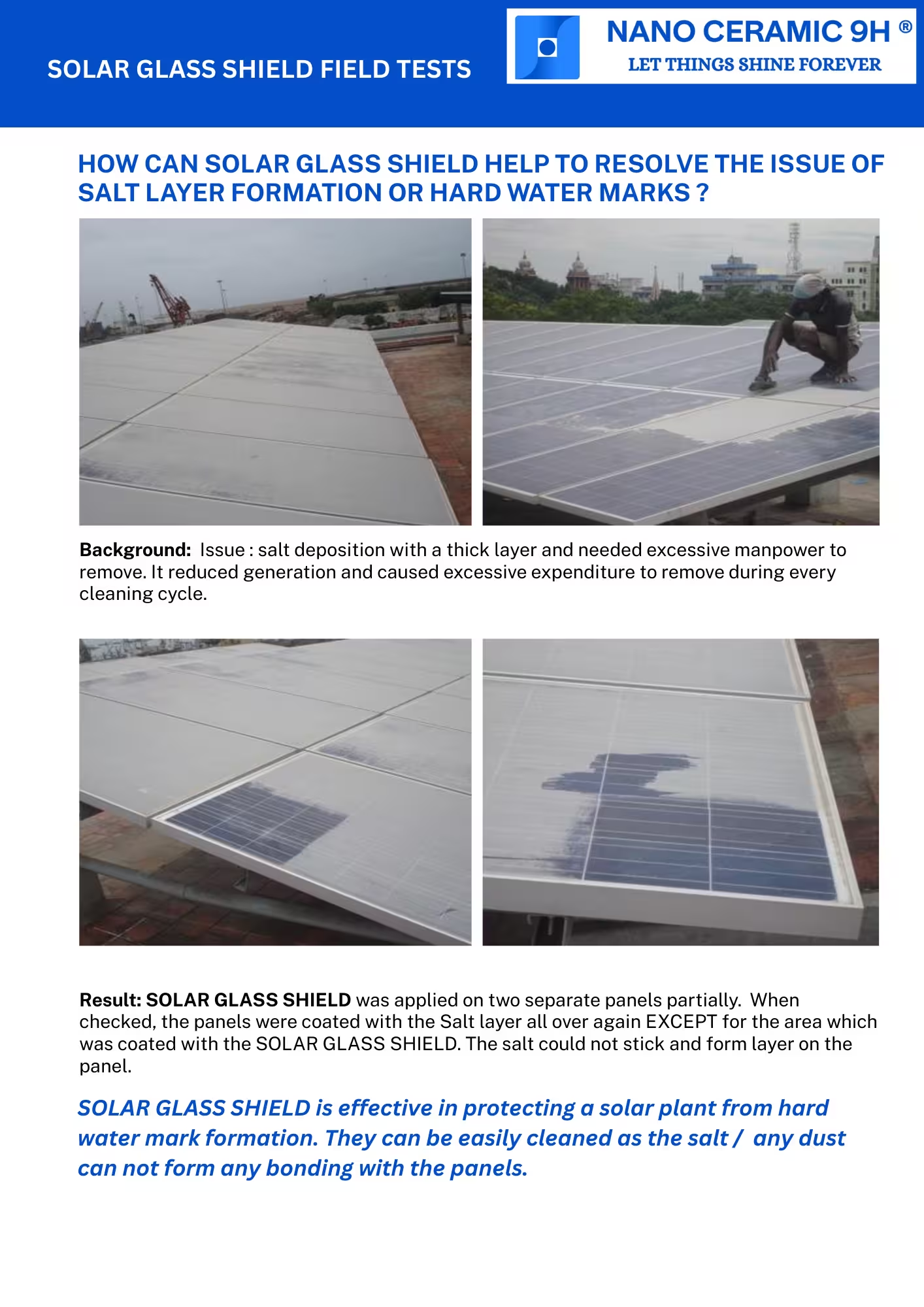
A thick salt layer that took heavy manpower to remove
Salt was depositing on the modules as a thick layer and needed excessive manpower to remove. Generation dropped, and every cleaning cycle carried a heavy cost in labour and time.
Scrubbing hard enough to lift the deposit also risks the glass surface, so the site needed a way to stop the layer from bonding in the first place.
Salt formed everywhere except the coated area
Solar Glass Shield was applied on two separate panels partially. When checked, the panels were coated with the salt layer all over again, except for the area that carried the Solar Glass Shield.
The salt could not stick or form a layer on the coated patch, which stayed clear and visibly darker than the surrounding glass.
Observations at a glance
Solar Glass Shield is effective in protecting a solar plant from hard water mark formation. Panels can be cleaned easily, as salt and dust cannot form any bonding with the glass.