How It Works
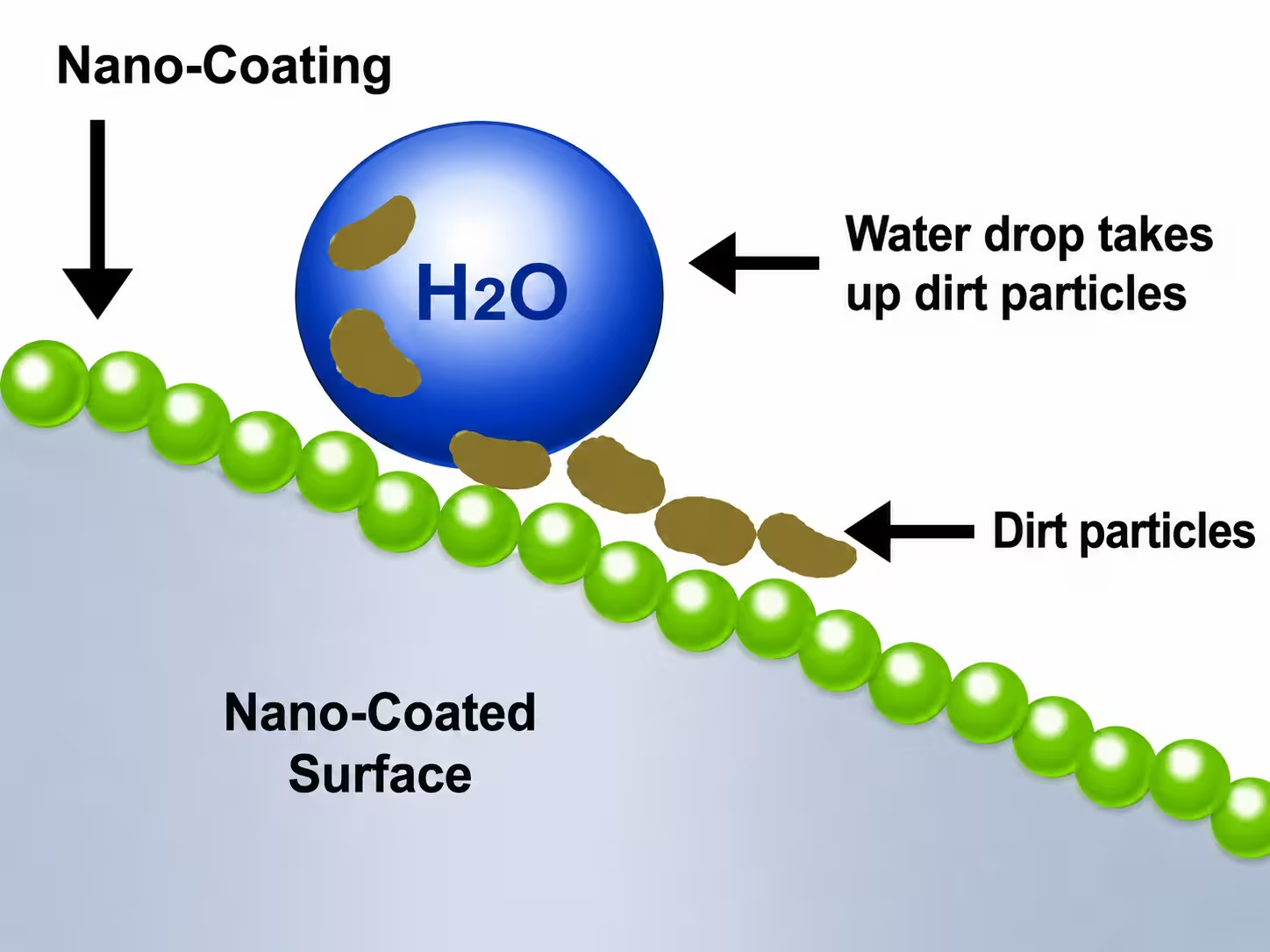
The coating forms bonding with the surface of the solar panel. Thus, it forms a barrier between the dust and the surface. Water arriving on a treated panel beads instead of spreading, and as those beads run off they carry loose dust with them. Because dirt never keys into the glass, what would have needed scrubbing on an untreated panel comes away with a rinse.
Where It Proves Itself
- Coastal plants: in a partial-coating trial at a site with heavy salt deposition, hard water marks reformed across the untreated glass but not on the coated area. See the salt layer field test.
- Quarry and crusher sites: over a 15-day dust accumulation trial beside a stone crusher, dust on the coated area fell away the moment the panel was tilted vertical. See the quarry dust field test.
- Industrial and highway corridors: cement film, fume residue and road dust are the soiling types that bond hardest to bare glass, and they are where the coating changes the cleaning method most.
- Working plants: our case studies document generation, water and labour figures recorded on coated arrays across India.
Applying the Coating
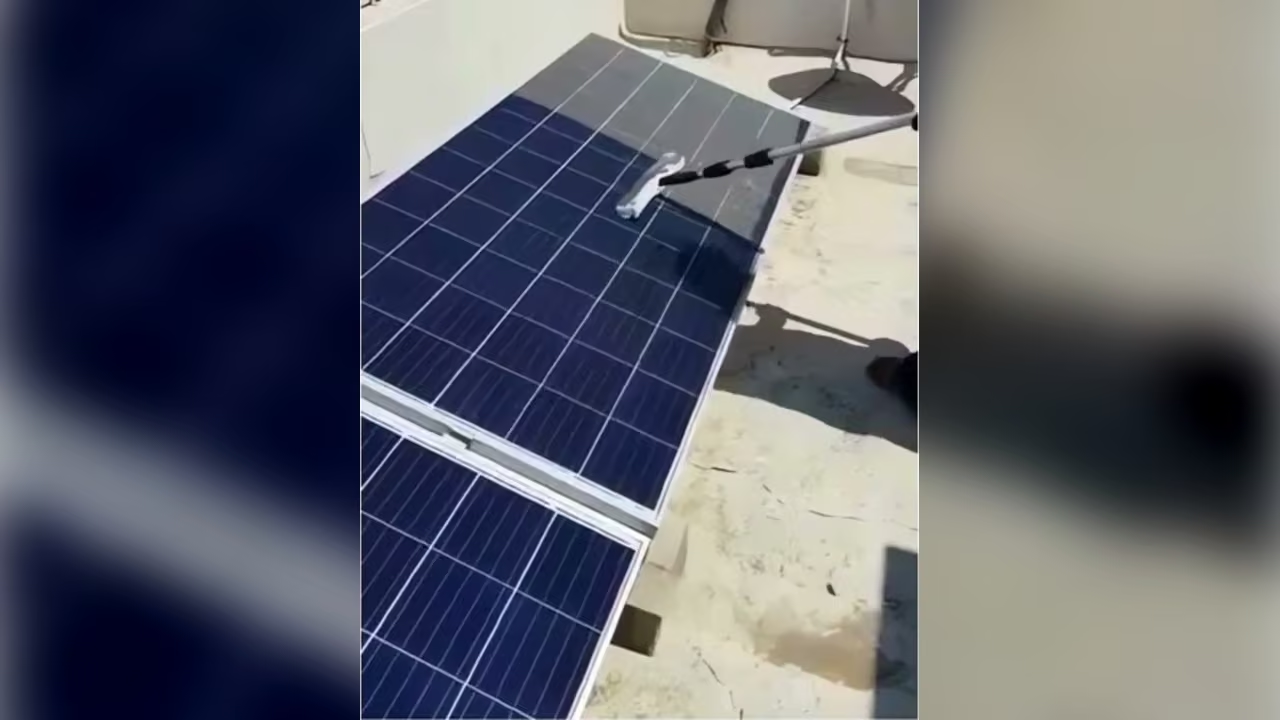
We have specialized cleaners like Tough Soil Remover or Organic descaler. However bad the dust or dirt may be, it gets removed and the panels become as good as new in terms of cleanliness. The same panel can be coated with Solar glass shield with a nano coating applicator. The repellency is observed as soon as the coating is applied.
Coverage and expected coating life is around 2.5-3 years. However, it depends on the type of dust and cleaning regime. The effect can be checked by seeing the case studies.